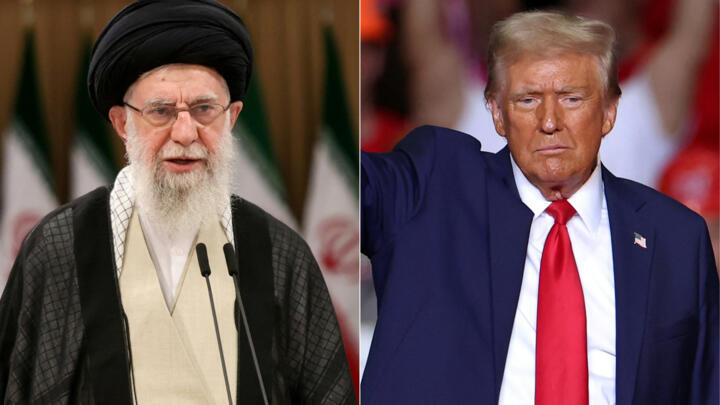
Tensions between the United States and Iran appear to be escalating following a series of statements and military movements that suggest a significant strategic buildup in the region.
On January 13, Donald Trump addressed opposition groups in Iran, stating, “Hold on. Help is coming.” The remark sparked speculation about potential U.S. action. Nine days later, on January 22, he referred to a “massive armada” positioned off Iran’s coast.
While not technically an armada, the United States had deployed a powerful carrier strike group centered around the USS Abraham Lincoln to the region. That strike group has reportedly been operating near Iran since late January.
Now, developments suggest a potentially larger strategic picture.
A Second Carrier Strike Group Moves Into Position
Another major U.S. naval force, built around the USS Gerald R. Ford, is currently positioned near Gibraltar. If it proceeds through the Strait of Gibraltar as expected, it could reach the Eastern Mediterranean within days.
Should that occur, the U.S. would effectively have two carrier strike groups positioned within operational range of Iran—one in the Arabian Sea and another in the Eastern Mediterranean.
Together, these forces could include:
- At least 11 air-defense destroyers
- Multiple littoral combat ships
- Two or more attack submarines equipped with Tomahawk cruise missiles
Such a naval presence represents a significant escalation in force posture.
Reinforcing Regional Air Defenses
A second major development involves a surge in heavy U.S. Air Force transport activity. In recent days, C-17 Globemasters and C-5 Galaxy aircraft have transported air defense systems to American bases across the Middle East.
This movement suggests preparations not only for potential offensive operations, but also for defensive contingencies—particularly the strengthening of U.S. bases against possible Iranian retaliation.
Tanker Aircraft Expand Operational Reach
Flight tracking data indicates an unusually high concentration of aerial refueling tankers in Europe and the Eastern Mediterranean.
On February 16, six KC-135 tankers departed from RAF Mildenhall in the United Kingdom and relocated to Greece. Then, on February 18, an additional ten tankers flew from the continental United States, stopping in the UK before continuing on to Greece and Bulgaria.
These tankers are a critical component of long-range strike capability. With sufficient aerial refueling support, U.S. fighter jets and bombers can operate from European bases—such as those in Greece, Bulgaria, or Cyprus—without relying solely on Middle Eastern airfields.
This flexibility is particularly important if political considerations limit access to certain regional bases.
AWACS Aircraft Signal High-Level Preparedness
Another key piece of the puzzle is the deployment of six E-3 Sentry aircraft—Airborne Warning and Control System (AWACS) planes.
These aircraft provide battlefield-wide surveillance and coordination, tracking air and missile threats while directing combat aircraft. Their presence significantly enhances command-and-control capabilities and is often associated with major air operations.
Military analysts note that even a single AWACS aircraft can transform the effectiveness of an air campaign. Six in-theater suggests readiness for sustained, large-scale operations.
A Strategic Crossroads
By the coming weekend, the United States could have three major operational elements in place:
- Two carrier strike groups
- Reinforced regional air defenses
- Extensive aerial refueling and airborne command infrastructure
While no official announcement of military action has been made, the scale and coordination of these deployments indicate that the U.S. would be positioned to launch a substantial campaign if ordered.
Whether this buildup serves as deterrence, preparation, or signaling remains to be seen. The coming days may clarify whether these moves are intended to pressure Tehran—or to precede direct military action.