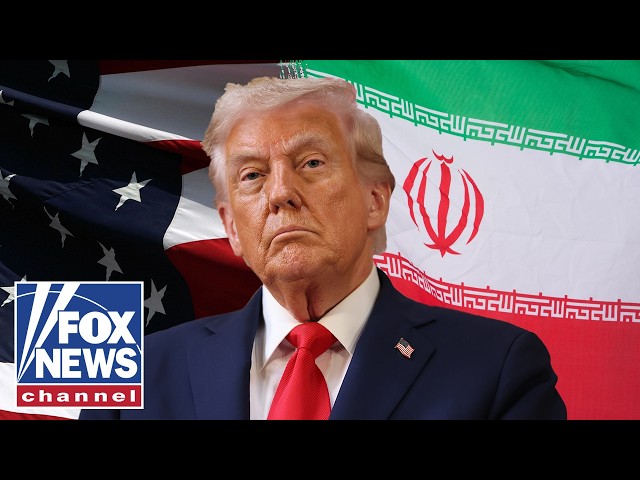
A new round of high-level negotiations between the United States and Iran has concluded in Geneva, leaving officials expressing mixed reactions as tensions continue to rise across the Middle East.
According to reports, U.S. Special Envoy Steve Witkoff and Jared Kushner, son-in-law of President Donald Trump, were reportedly disappointed with the outcome of the morning session. However, Oman — which is mediating the indirect talks — described the discussions as making “significant progress.” Technical negotiations are now scheduled to continue next week in Vienna, Austria, home to the UN’s nuclear watchdog, the International Atomic Energy Agency.
Oman’s foreign minister, who is overseeing the mediation effort, indicated that more detailed technical discussions will take place in Vienna. The Director General of the IAEA, Rafael Grossi, has previously emphasized the importance of verification mechanisms and transparency in any potential agreement.
Despite diplomatic efforts, the military situation in the region is intensifying. President Trump has ordered what he described as a “huge armada” of U.S. warships to the region — reportedly the largest concentration of American naval power since the lead-up to the Iraq War. The USS Gerald R. Ford carrier strike group, which had been resupplying in Suda Bay, is now moving eastward and is expected to be positioned off the coast of Israel.
Additionally, advanced U.S. fighter jets, including F-22 Raptors, have been repositioned to Israel — marking the first time the aircraft have been based there. Defense officials say the repositioning is intended to protect U.S. assets and ensure readiness should diplomacy fail.
Security analysts note that while there is cautious optimism about the talks, the large-scale military buildup signals preparation for potential escalation. If negotiations collapse, experts suggest a possible air and naval campaign could target Iranian nuclear facilities as well as elements of the Islamic Revolutionary Guard Corps (IRGC).
Conflicting public statements from U.S. officials have added to the uncertainty. Some have emphasized nuclear concerns, while others have raised Iran’s ballistic missile capabilities. Intelligence assessments cited by sources familiar with the matter suggest that claims Iran is only weeks away from a nuclear weapon may not align with current classified evaluations.
Across Israel and the broader Middle East, governments are closely monitoring developments. Officials in Tel Aviv have reportedly begun preparing for the possibility of regional conflict should diplomacy break down.
For now, attention turns to Vienna, where the next phase of technical talks could determine whether tensions ease — or whether the region edges closer to confrontation.